

Family’s Lifetime Bond, by Olivia Olivia
Family’s Lifetime Bond
Olivia Olivia | 2/2/2016, 4:31 p.m.
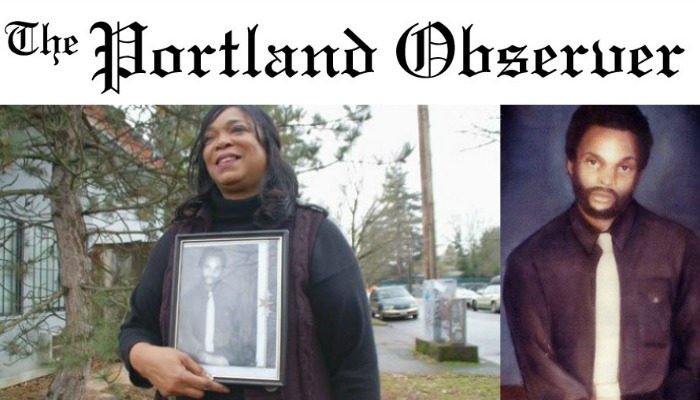
In the photo, he remains young. His eyes are distant and he is thin, dressed in a suit that portends a future he would never see. “My brother wanted to grow,” she says. “He struggled so much and he apologized for disappointing us or hurting us, and I wish he could see our lives now. “
In 2012, Olive-Beltran’s mother passed away as well. Belinda however carries on the family friendships and looks back at how that decision to give her brother’s heart away was a natural act of love.
“I do remember my mother stating when you lose your child it’s one of the most difficult losses you could possibly experience,” she explains. “When they asked her if she would donate Bobby’s heart, at first she said she had to ask her Father, by which she meant she had to pray. She came back right away and said ‘yes.’ She came back and said ‘Take what you need; I just want to meet the recipient, if that’s okay.’ And I understand now, she wanted to follow her son’s heart and know where that life and struggle would go, and support that family so that no matter what heartbreak we went through, neither of us would have to go through it alone. Now that she’s gone, now that the recipient is gone, the surviving families have each other to lean on and I understand her request so much more now.”
Olive-Beltran asks that people who hear her brother’s story consider signing up to be a donor themselves.
“Ask yourself, what can do you do to help your fellow man? What if your child or spouse was the one who needed the heart? Wouldn’t you want someone to have that gift for you?” she says. “I know the happiness we gave Merrill’s family and that connection has lasted for more than a generation – and I hope other people have the chance to share their sorrows too, instead of bearing them alone, and consider donating while they’re alive and well to make that decision, and that they tell their relatives as well.”
Olive-Beltran and her family are spreading the word about their brother’s last gift and their family’s long healing process for Black History Month by throwing a fundraiser to help others with lifesaving transplants on Saturday, Feb. 13 at Aspire, 2601 S.E. 160th Ave. The event will take place from 5:30 p.m. to 8:30 p.m. and all donations will go to Donate Life Northwest.
Bobby Olive’s heart brought more than just new life to its recipient. His heart went to Wesley D. Merrill, a 44-year-old white man from Battle Ground, Washington. From then on, two families were suddenly united in a lifelong bond that bridged racial differences.
Olive’s heart gave Merill an extra five years with his loved ones, but as the donor of Oregon’s first heart transplant, it also started a new era for what was possible in preserving life.
As one family mourned the death of their young son, another celebrated the survival of their father. Olive’s mother, Martha Van Arsdale, struggled with mixed feelings for years, mourning her son’s death but appreciating that his heart gave life to another person.
Olive’s sister, Belinda Olive-Beltran, says her brother lost his life in a shooting while he was committing an apartment burglary.
“It was devastating to see our brother die so young,” she says, describing how he had just been released from prison and had a job lined up to start the same week, ready to begin a new chapter of his life.
“I can’t tell you what was going through his head, or why he did it, but we were heartbroken to see him fall back into that life and have him die so pointlessly,” she says.
Like many sisters, wives, and mothers, Olive-Beltran was tasked with picking up the pieces surrounding her brother’s death. The light at the end of the tunnel, she says, was seeing the life her brother managed to save.
“When we got to know the other family, and met the man who had Bobby’s heart, it was like my brother had been given a chance to do something right,” she says. “It was like he managed to leave a gift for the world.”
Merill’s family grew close to hers. For years, they wrote to each other and remembered the heart that tied them inextricably together. Olive-Beltran recalls the night her brother passed away at Emanuel Hospital, when her family first heard of Merill.
Doctors asked her mother if the family would be willing to donate her son’s organs, specifically his heart.
“They said there was one man who would not survive much longer but that Bobby’s heart could help him live,” his mother told media at the time. “I appreciate life, Bobby appreciated life, and we as a family believe in life,” she said in a statement back then.
Today, that generosity is inspiration for Olive-Beltran as she embarks on a quest to get more people to sign up as transplant donors.
“If my brother, a troubled young man who was hurting so much, could donate his organs, I believe anyone who can should,” she says, holding on to a picture of her brother.
In the photo, he remains young. His eyes are distant and he is thin, dressed in a suit that portends a future he would never see. “My brother wanted to grow,” she says. “He struggled so much and he apologized for disappointing us or hurting us, and I wish he could see our lives now. “
In 2012, Olive-Beltran’s mother passed away as well. Belinda however carries on the family friendships and looks back at how that decision to give her brother’s heart away was a natural act of love.
“I do remember my mother stating when you lose your child it’s one of the most difficult losses you could possibly experience,” she explains. “When they asked her if she would donate Bobby’s heart, at first she said she had to ask her Father, by which she meant she had to pray. She came back right away and said ‘yes.’ She came back and said ‘Take what you need; I just want to meet the recipient, if that’s okay.’ And I understand now, she wanted to follow her son’s heart and know where that life and struggle would go, and support that family so that no matter what heartbreak we went through, neither of us would have to go through it alone. Now that she’s gone, now that the recipient is gone, the surviving families have each other to lean on and I understand her request so much more now.”
Olive-Beltran asks that people who hear her brother’s story consider signing up to be a donor themselves.
“Ask yourself, what can do you do to help your fellow man? What if your child or spouse was the one who needed the heart? Wouldn’t you want someone to have that gift for you?” she says. “I know the happiness we gave Merrill’s family and that connection has lasted for more than a generation – and I hope other people have the chance to share their sorrows too, instead of bearing them alone, and consider donating while they’re alive and well to make that decision, and that they tell their relatives as well.”
Olive-Beltran and her family are spreading the word about their brother’s last gift and their family’s long healing process for Black History Month by throwing a fundraiser to help others with lifesaving transplants on Saturday, Feb. 13 at Aspire, 2601 S.E. 160th Ave. The event will take place from 5:30 p.m. to 8:30 p.m. and all donations will go to Donate Life Northwest.
To sign up to be a donor, contact Donate Life Northwest at 1-800-452-1369 or visit donatelifenw.org.
Every day across the United States and here in Oregon, someone needs a heart transplant. The process can be complicated, but at least half of those offered a new heart manage to survive an extra 10 years. The lifesaving medical procedure has improved vastly in the past 30 years, but here in Oregon all of that is due in some part to the donation of one young black man’s heart back in 1985.
Bobby Olive’s heart brought more than just new life to its recipient. His heart went to Wesley D. Merrill, a 44-year-old white man from Battle Ground, Washington. From then on, two families were suddenly united in a lifelong bond that bridged racial differences.
Olive’s heart gave Merill an extra five years with his loved ones, but as the donor of Oregon’s first heart transplant, it also started a new era for what was possible in preserving life.
As one family mourned the death of their young son, another celebrated the survival of their father. Olive’s mother, Martha Van Arsdale, struggled with mixed feelings for years, mourning her son’s death but appreciating that his heart gave life to another person.
Olive’s sister, Belinda Olive-Beltran, says her brother lost his life in a shooting while he was committing an apartment burglary.
“It was devastating to see our brother die so young,” she says, describing how he had just been released from prison and had a job lined up to start the same week, ready to begin a new chapter of his life.
“I can’t tell you what was going through his head, or why he did it, but we were heartbroken to see him fall back into that life and have him die so pointlessly,” she says.
Like many sisters, wives, and mothers, Olive-Beltran was tasked with picking up the pieces surrounding her brother’s death. The light at the end of the tunnel, she says, was seeing the life her brother managed to save.
“When we got to know the other family, and met the man who had Bobby’s heart, it was like my brother had been given a chance to do something right,” she says. “It was like he managed to leave a gift for the world.”
Merill’s family grew close to hers. For years, they wrote to each other and remembered the heart that tied them inextricably together. Olive-Beltran recalls the night her brother passed away at Emanuel Hospital, when her family first heard of Merill.
Doctors asked her mother if the family would be willing to donate her son’s organs, specifically his heart.
“They said there was one man who would not survive much longer but that Bobby’s heart could help him live,” his mother told media at the time. “I appreciate life, Bobby appreciated life, and we as a family believe in life,” she said in a statement back then.
Today, that generosity is inspiration for Olive-Beltran as she embarks on a quest to get more people to sign up as transplant donors.
“If my brother, a troubled young man who was hurting so much, could donate his organs, I believe anyone who can should,” she says, holding on to a picture of her brother.
In the photo, he remains young. His eyes are distant and he is thin, dressed in a suit that portends a future he would never see. “My brother wanted to grow,” she says. “He struggled so much and he apologized for disappointing us or hurting us, and I wish he could see our lives now. “
In 2012, Olive-Beltran’s mother passed away as well. Belinda however carries on the family friendships and looks back at how that decision to give her brother’s heart away was a natural act of love.
“I do remember my mother stating when you lose your child it’s one of the most difficult losses you could possibly experience,” she explains. “When they asked her if she would donate Bobby’s heart, at first she said she had to ask her Father, by which she meant she had to pray. She came back right away and said ‘yes.’ She came back and said ‘Take what you need; I just want to meet the recipient, if that’s okay.’ And I understand now, she wanted to follow her son’s heart and know where that life and struggle would go, and support that family so that no matter what heartbreak we went through, neither of us would have to go through it alone. Now that she’s gone, now that the recipient is gone, the surviving families have each other to lean on and I understand her request so much more now.”
Olive-Beltran asks that people who hear her brother’s story consider signing up to be a donor themselves.
“Ask yourself, what can do you do to help your fellow man? What if your child or spouse was the one who needed the heart? Wouldn’t you want someone to have that gift for you?” she says. “I know the happiness we gave Merrill’s family and that connection has lasted for more than a generation – and I hope other people have the chance to share their sorrows too, instead of bearing them alone, and consider donating while they’re alive and well to make that decision, and that they tell their relatives as well.”
Olive-Beltran and her family are spreading the word about their brother’s last gift and their family’s long healing process for Black History Month by throwing a fundraiser to help others with lifesaving transplants on Saturday, Feb. 13 at Aspire, 2601 S.E. 160th Ave. The event will take place from 5:30 p.m. to 8:30 p.m. and all donations will go to Donate Life Northwest.
To sign up to be a donor, contact Donate Life Northwest at 1-800-452-1369 or visit donatelifenw.org.